My cat’s favorite toy is her teething Wiggle Worm. When she was a baby, she had intestinal worms. Now I’m using worm castings in my garden.
Is it worms all the way down?
First of all, what are Worm Castings?
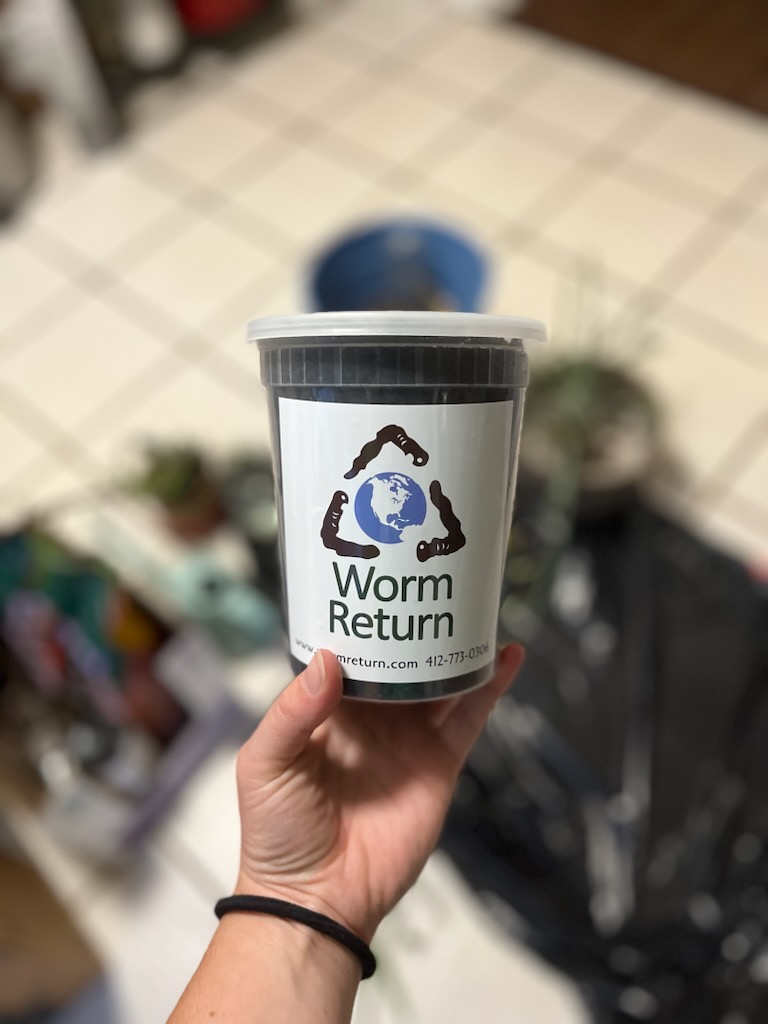
Most places will simply tell you that worm castings = worm poop. Which, in the basic sense, seems to be true. But that begs the question – why worm poop?
Beaver Lake Nursery puts the casting process very well:
Worm castings are produced through the… consumption and decomposition of organic waste via earthworms. As the worms consume organic matter, it travels the length of the worm’s digestive tract before being excreted with a coating of mucus as bacteria-enriched castings.
Now, I’ve never done vermicomposting myself. Perhaps when I have more outdoor space it’s something I’ll try out. Right now I purchase local worm castings from the very awesome woman-owned Worm Return, who appeared this year at my local farmers’ market. What I got was a pound of their ‘Garden Gold’ worm castings.
What I’d read and purchased got me interested in more of the specifics: How does an earthworm’s metabolism work? That’ll require some research, so keep an eye out for future posts on the beauty & wonder of earthworms!
What did I do with my Worm Castings?
Recently I bought an adorable hoya carnosa ‘Krimson Princess’ to train into a climber, plus my spider plant and a few others desperately needed some better soil (and, frankly, a good watering). I used worm castings purchased from a local business, Worm Return, to improve my houseplants’ soil. I also use Humane Organics all-purpose indoor fertilizer; now that it’s summer, I’ll be applying this more frequently. The jury’s still out on how these affect my plants, but keep an eye out – there will be updates!
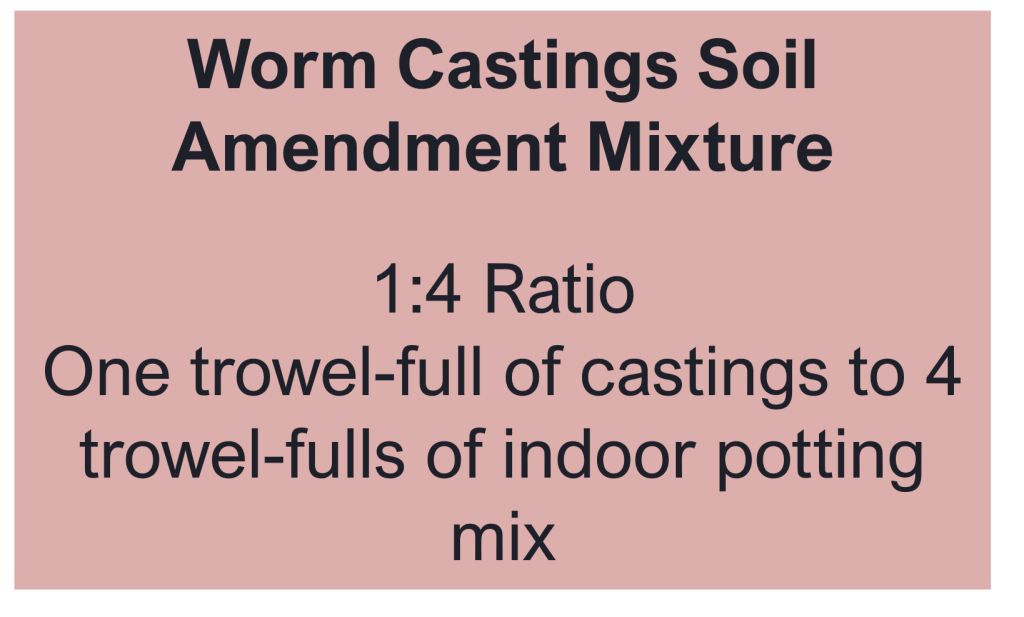
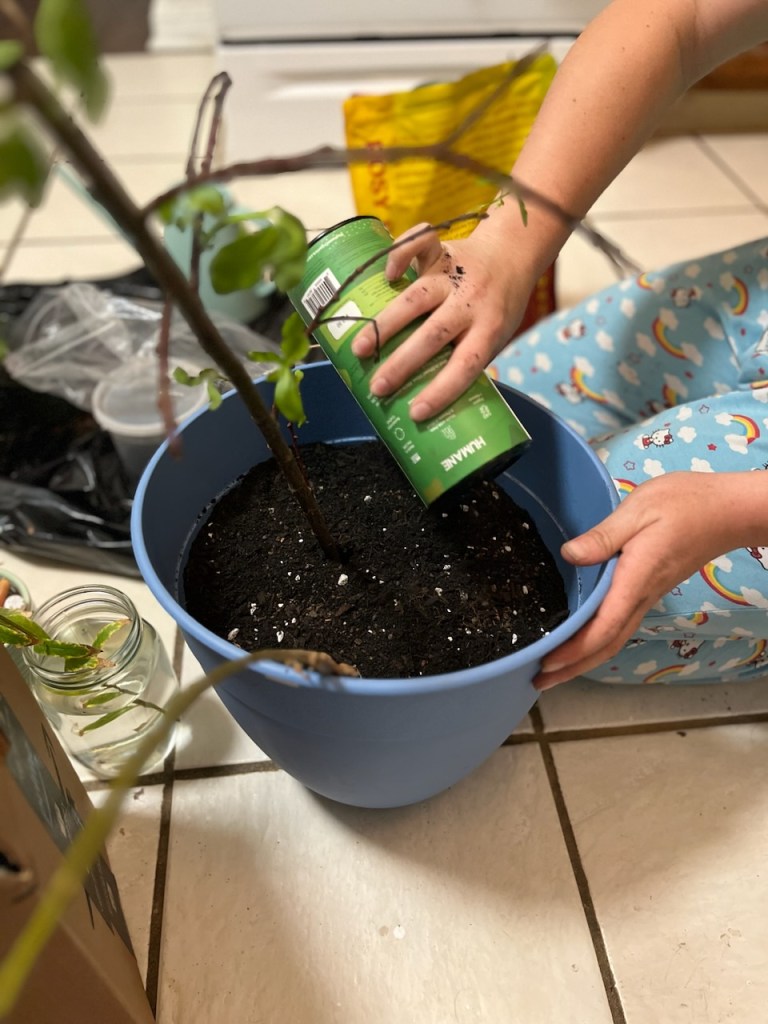
As for the soil mix, I used a 1:4 ratio of castings:potting soil. I use Rosy Indoor Potting Soil, and have loved it so far! I mixed the castings and soil in a separate container (I used a reused bag), making sure to get as even a spread as possible. I then re-potted the hoya and my other re-pottables in the new soil mix, fully replacing their original soils. The pots were topped off with Humane Organics fertilizer. The hoya got some extra-special treatment; read more about that here!
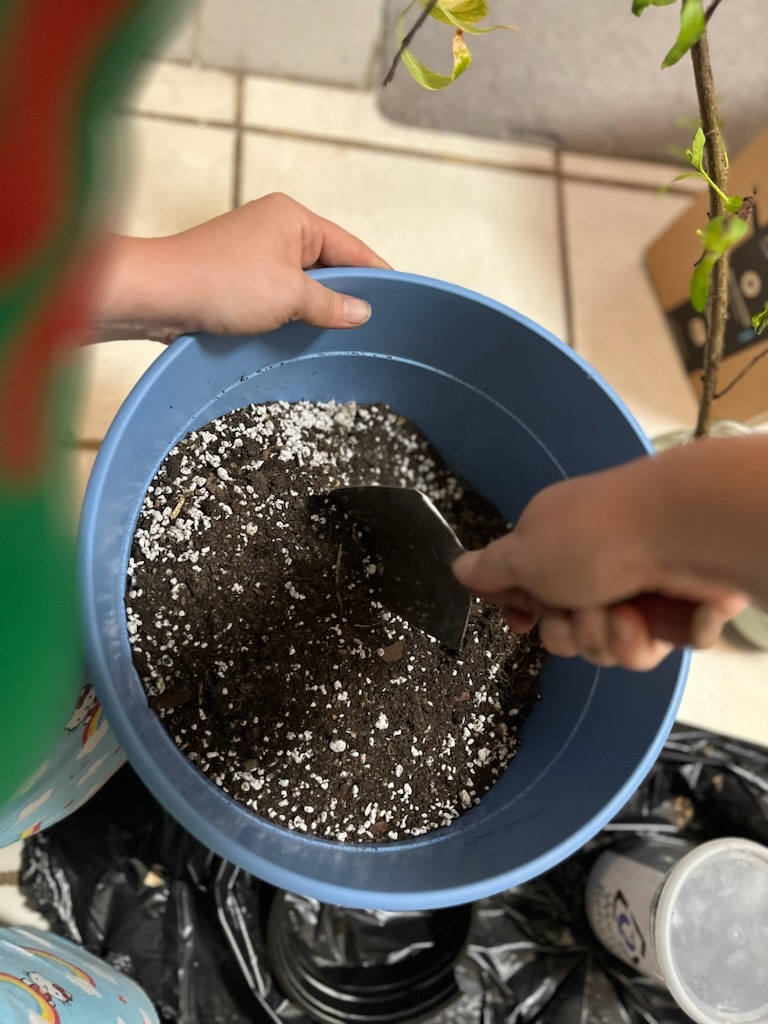
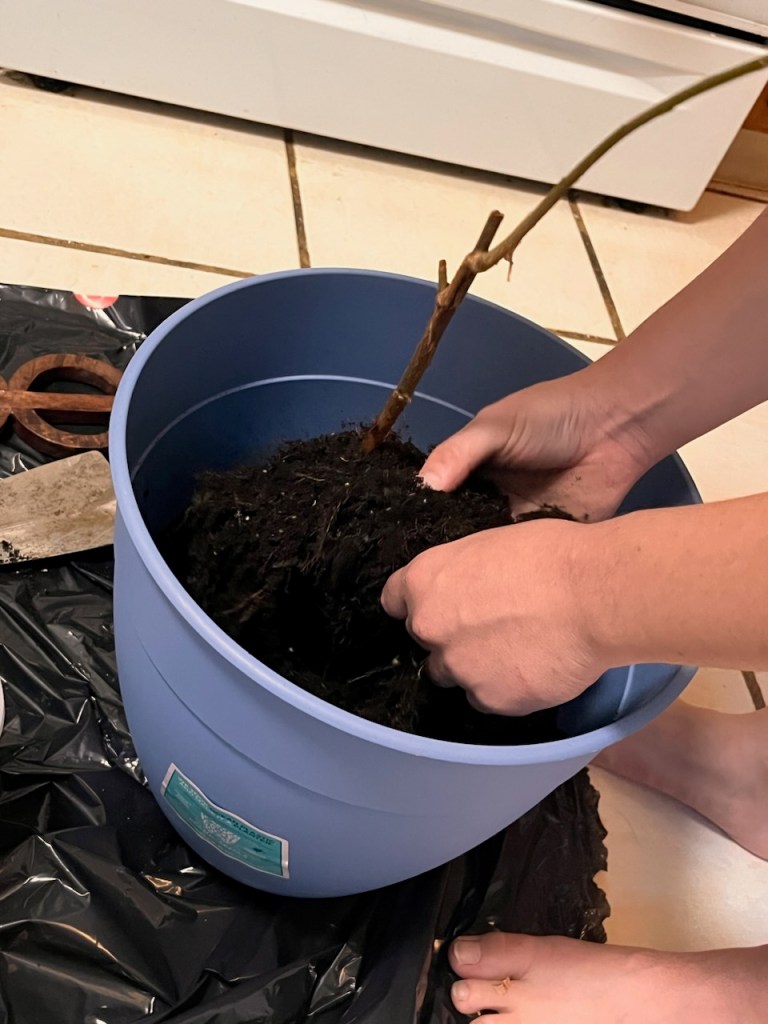
Some of my older plants, however, were potted before I discovered Rosy or knew much about soil composition. In my spider plant and white willows, specifically, I found that the soil had become very dry, crusty, compacted… not a nice home for the plants. That soil definitely needed some help. I took the soil from the spider plants and the willows, mixed it all together in a big pot, and added my remaining Rosy soil, worm castings, and Humane fertilizer, then mixed well with a trowel.
What am I hoping for with all of these Soil Amendments?
My plants certainly took a hit this winter, between wildly fluctuating temperatures, the dry Pennsylvania air, and the added dryness of forced-hot-air heating. Plus, my work changed as my company no longer allows work-from-home, meaning I’ve had a lot less time to pay attention to my foliated friends. Good soil is a stape of plant health, and I’m hoping giving my plants better basic living conditions will help rejuvenate them and make their care easier in the future.
If the worm castings successfully show happier plants, I’ll continue to plant all newcomers in a similar soil mixture.
✿
Good soil is a stape of plant health.
Resources
- VermisTerra Organic Soil Amendments: Earthworm Castings
- WormFarmGuru: What are Worm Castings?
- CaliKim: Using Worm Castings in your Garden (with VermisTerra)
- Homestead and Chill: Worm Castings 101
- Meta-analysis of scientific research on vermicompost
- LSU AgCenter Compost Series article on Worm Castings
- Beaver Lake Nursery Worm Castings FAQ

